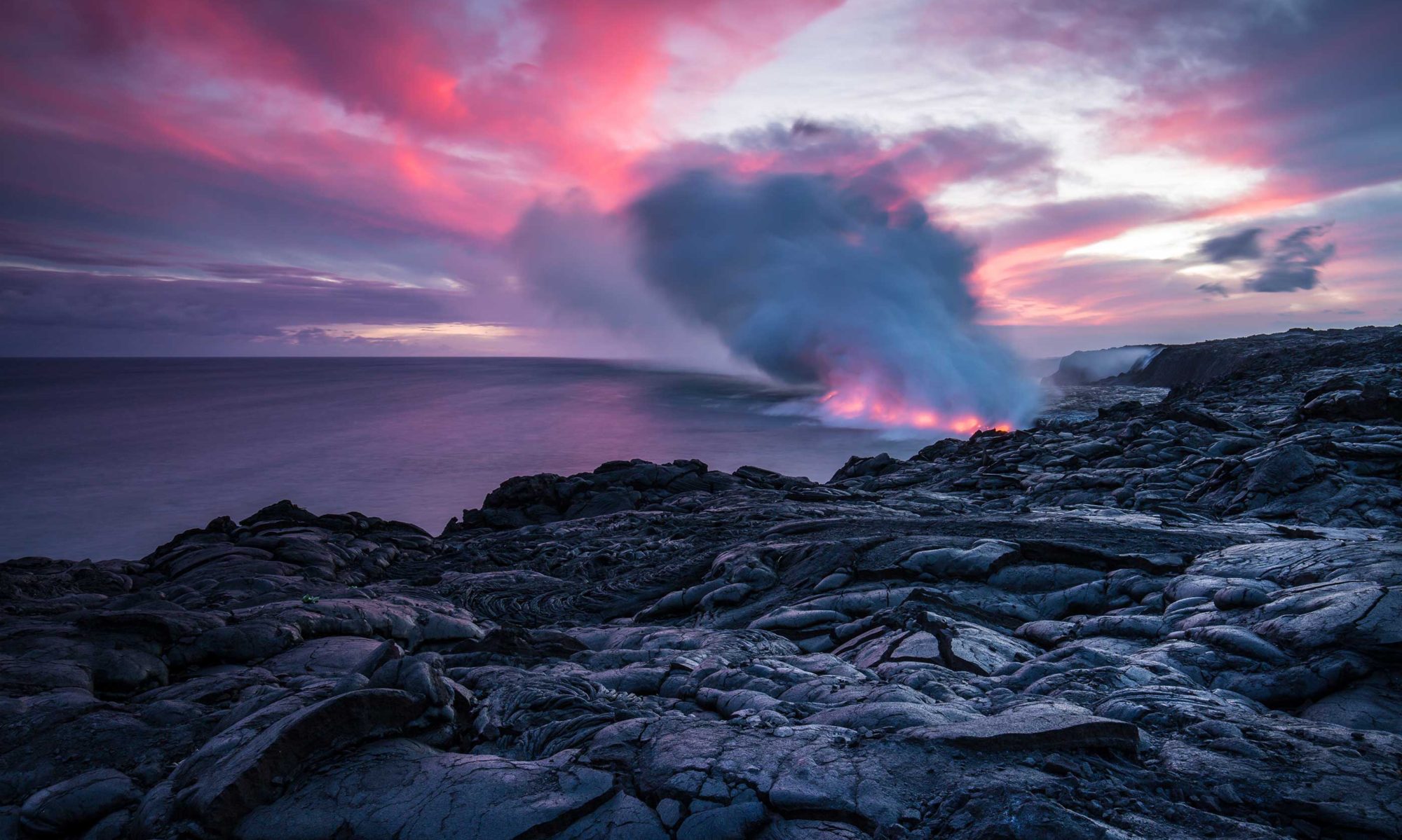

Mount Etna is one of the oldest and most active volcanoes in Europe, with a history stretching back over 500,000 years. Rising to about 3,400 meters on the island of Sicily, it erupts frequently—often several times each year—yet continues to puzzle scientists. Unlike most stratovolcanoes, which typically produce more silica-rich magma, Mount Etna is known for its unusually high output of alkaline lava. This type of lava is typically associated with slower formation processes, making Etna’s sustained and prolific eruptions difficult to explain using conventional geological models.
Volcanoes generally form through three well-understood mechanisms: at divergent plate boundaries where tectonic plates pull apart, at subduction zones where one plate sinks beneath another, or above mantle hotspots where plumes of superheated material rise from deep within the Earth. Although Mount Etna sits above a subduction zone where the African Plate moves beneath the Eurasian Plate, the chemistry of its lava more closely resembles that of hotspot volcanoes, such as those found in Hawaii. This mismatch has made Etna an enduring geological mystery.
Recent research offers new insight into this anomaly. By analyzing lava samples spanning hundreds of thousands of years, scientists discovered that Etna’s magma composition has remained remarkably consistent over time, even as surrounding tectonic conditions changed. This consistency suggests that Mount Etna is not fueled by newly generated magma in the way most volcanoes are. Instead, it appears to draw from a long-standing reservoir of magma trapped deep within the Earth, approximately 80 kilometers below the surface, in a region known as the low-velocity zone between the upper mantle and the base of tectonic plates.
The study proposes that Etna may operate through a rare process similar to that of “petit-spot” volcanoes. These small volcanic features, first identified in 2006, form when magma is squeezed out from pockets in the upper mantle through cracks in the Earth’s crust. This process is often compared to water being forced from a sponge. While petit-spot volcanoes are usually small and located on the ocean floor, Etna appears to be a much larger and more complex example of the same mechanism. This makes it highly unusual, as such a process has not previously been associated with massive stratovolcanoes.
This discovery helps explain how Etna can continuously produce alkaline lava despite the slow formation rate typically required for such magma. The steady release of pre-existing magma allows the volcano to erupt frequently without relying on rapid new melt generation. Understanding this mechanism is not just important for scientific curiosity—it also has practical implications. Mount Etna is located near densely populated cities like Catania and Messina, placing hundreds of thousands of people at potential risk.
By improving knowledge of how Etna functions, scientists can better assess volcanic hazards and predict future activity. More broadly, these findings challenge traditional classifications of volcanoes and suggest that Earth’s الداخلية processes may be more diverse than previously thought.
https://www.sciencealert.com/the-worlds-most-mysterious-volcano-can-finally-be-explained