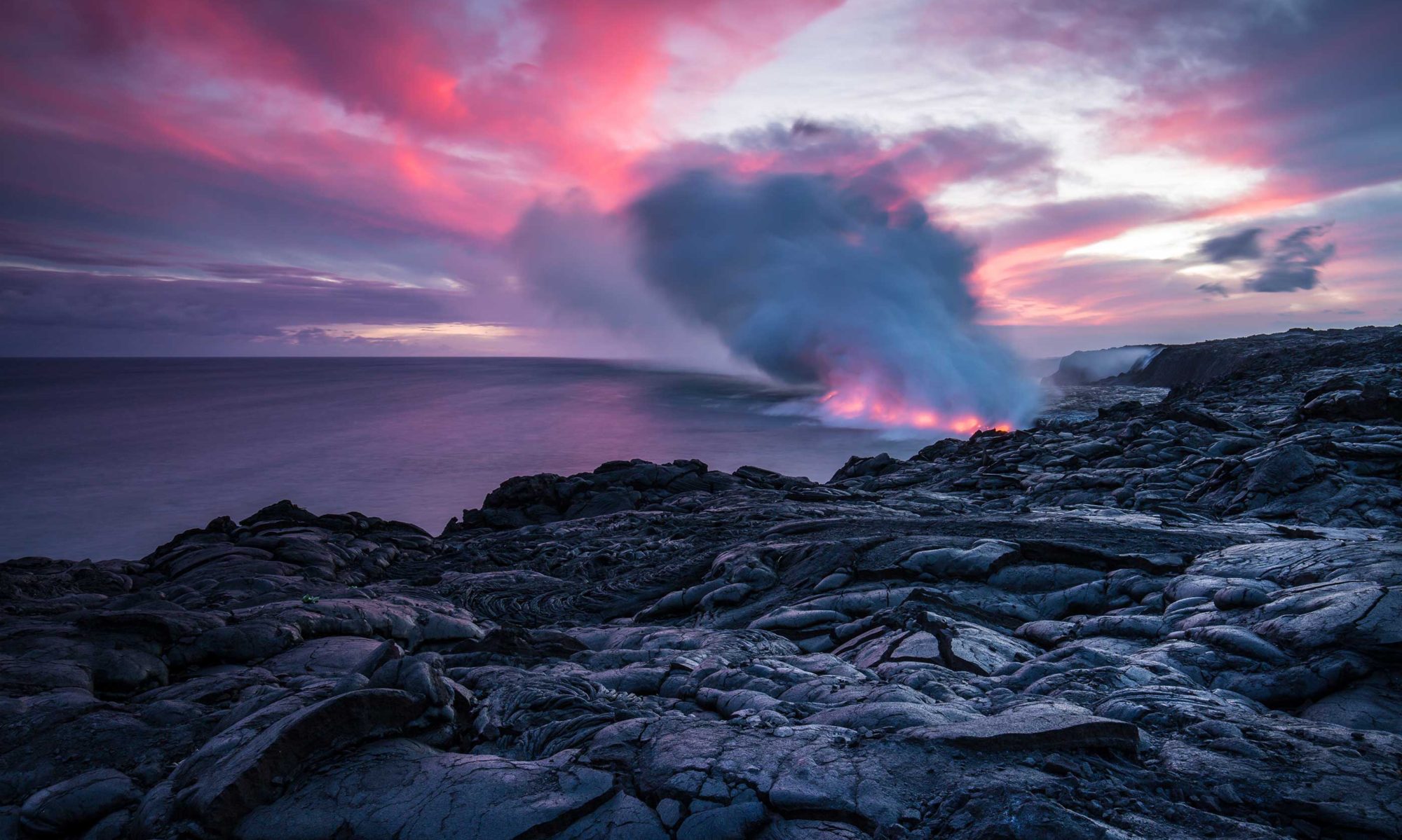

Supervolcanoes are capable of producing some of the most powerful natural events on Earth, known as supereruptions, which can eject more than 1,000 cubic kilometers of material into the atmosphere. These massive eruptions can alter global climate by blocking sunlight, lowering temperatures, and disrupting ecosystems for years. Because of these far-reaching consequences, scientists are working to better understand the processes that lead to supereruptions and how these systems behave beneath Earth’s surface.
For many years, scientists believed that magma accumulated in large liquid chambers beneath the crust, gradually building pressure until an eruption occurred. However, recent research has challenged this idea. Instead of existing as a single pool of molten rock, magma is now thought to be stored in “magma mush” systems—extensive regions of partially melted rock distributed throughout the crust. These systems are thicker and more complex than previously believed, and they behave differently from fully liquid magma, moving slowly and resisting flow. This revised understanding has significantly changed how researchers interpret the buildup to supereruptions.
A major study from the Institute of Geology and Geophysics of the Chinese Academy of Sciences provides new insight into these processes. Using a detailed three-dimensional model of western North America, researchers examined how Earth’s lithosphere (the rigid outer shell) interacts with the underlying asthenosphere (a softer, flowing layer). Their findings suggest that magma feeding supervolcanoes such as Yellowstone originates not from deep mantle plumes, but from the shallow asthenosphere.
Central to this process is what scientists call a “mantle wind.” Driven by tectonic plate movements—particularly the subduction of the Farallon Plate—this sideways flow of hot material transports heat and partially molten rock beneath the lithosphere. As the material moves, it rises and undergoes decompression melting, forming magma that contributes to the development of large magma mush systems. This mechanism offers a new explanation for how the conditions necessary for supereruptions can develop without relying on deep, vertical plumes of magma.
The mantle wind also reshapes the lithosphere itself. Opposing tectonic forces stretch and weaken the crust, eventually creating channel-like pathways beneath regions such as Yellowstone. These weakened zones allow magma to rise more easily, helping sustain the complex underground systems that precede eruptions. This tearing process matches observations from geological and chemical studies, strengthening confidence in the model.
Yellowstone serves as an important natural laboratory due to the abundance of available data. Studies show it contains a widespread magma mush system extending through the lithosphere, with liquid-rich magma bodies forming only briefly before eruptions. This suggests that supereruptions do not rely on long-lived, single magma chambers but instead result from dynamic systems maintained by continuous heat and pressure from below.
Overall, this research represents a significant advance in understanding supervolcano behavior. By linking mantle dynamics with crustal structure, it explains how large magma systems can persist over long periods and occasionally produce catastrophic events. Although supereruptions are rare, their global impact makes them a critical focus of scientific study, with implications for improving prediction and long-term risk planning.
https://www.earth.com/news/yellowstones-magma-source-may-be-closer-to-the-surface-than-expected